


FRONTLINE GROWTH ADVISORY
A better tomorrow starts with how your crew hears from you today.
Un Mañana Mejor helps contractors and other frontline-heavy employers strengthen the connection between leadership and their predominantly Hispanic workforce — through bilingual engagement, visible career pathways, and the intentional development of tomorrow's supervisors from today's crews.
1:15 — who this is for, and who it isn't.
THE PROBLEM
Most workforce initiatives start in the conference room. This one starts in the field.
Leaders of frontline-heavy organizations usually care deeply about their people. But as the business grows, communication, trust, and career development get harder to hold onto — especially across a language and cultural gap that the org chart doesn't show.
WHAT LEADERSHIP SEES
- Communication that runs through one or two bilingual supervisors
- Frontline employees unclear on the company's vision or long-term opportunities
- Crew members with real potential who are never intentionally developed
- Few visible paths into supervisory or skilled technical roles
WHAT LEADERSHIP FEELS
- "We know our people are capable of more."
- "We're promoting our best crew members, but they're not ready to lead."
- "Everything seems to flow through one bilingual supervisor."
- "We're saying the right things — we're just not sure they're being heard."
WHY IT SHOULDN'T BE THIS WAY
- The people who build, run, and represent the business every day deserve more than a paycheck
- Leadership creates opportunity. Employees choose growth.
- When both happen consistently, trust grows and people build their future together
IS THIS YOU
Two questions. If you answer yes to both, we should talk.
We started in landscape, and that's still where most of our work lives today — it's the industry we know best and our primary focus right now. But the gap we work on isn't a landscape problem. It shows up anywhere a crew does the physical work and leadership sits somewhere else.
Where this applies
Hispanic workers make up 35–43% of the workforce in construction & extraction, farming & forestry, and building & grounds maintenance occupations — the highest concentrations of any sector (U.S. Bureau of Labor Statistics).
SOUND FAMILIAR?
If you've said any of this out loud, it's probably worth a conversation.
Our crew leaders are great workers, but they struggle leading people.
Everything seems to run through one bilingual supervisor.
I don't believe my employees trust that I have their best interest at heart.
I know my employees could do more — I just don't think they see a future here.
We keep promoting our best crew members, but we don't have a process for developing them.
Communication with our field crews isn't where it needs to be.
We're growing faster than our leaders are developing.
Our people don't seem to understand or believe in our vision and mission.
THE FRONTLINE WORKFORCE GROWTH PARTNERSHIP
A 12-month partnership, built on a two-day Discovery Experience in the field.
Every engagement begins by understanding your business before recommending anything. We start in the field — not the conference room — through bilingual listening sessions, leadership interviews, and the Un Mañana Mejor™ conversation.
Discovery Experience
Two-day onsite engagement: executive interviews, bilingual employee listening sessions, and the Un Mañana Mejor™ conversation — followed by an Executive Findings & Recommendations Presentation.
"Where are we today, and what future do we want to create together?"
Growth Design
Discovery findings become the Frontline Workforce Growth Blueprint™ — a customized roadmap, career pathway framework, and bilingual communication strategy.
"What's our roadmap for developing our frontline workforce from within?"
Growth Launch
Leadership alignment workshop, bilingual employee rollout, career pathway launch, and the kickoff of a recurring Supervisor-in-Training track.
"How do we successfully launch this across the frontline workforce?"
Implementation
Bi-weekly leadership touchpoints, quarterly workforce reviews, and monthly Supervisor-in-Training sessions — closing with a 12-month Impact Report.
"How do we sustain momentum and build a lasting culture of frontline development?"
OUTCOMES & ROI
The cost of doing nothing is rarely visible on a P&L line — until it compounds.
By the end of the partnership, leadership has more than recommendations — a repeatable system for communication, career pathways, and developing tomorrow's supervisors from today's crews.
LEADERSHIP
- Greater consistency in communication across the organization
- Supervisors who lead with more confidence and accountability
- A structured process for identifying and developing future leaders
- More time for strategic growth, less time on recurring people issues
FRONTLINE WORKFORCE
- Clear career pathways employees can see and understand
- Stronger trust between leadership and frontline employees
- More employees prepared for supervisory and skilled technical roles
- Stronger connection to the company's mission and values
THE BUSINESS
- A stronger internal leadership pipeline
- Greater workforce stability and organizational alignment
- Reduced disruption caused by leadership transitions
- A repeatable process for developing people long after we're gone
Sources: National Association of Landscape Professionals (2025), Gallup (2026), SHRM (2025).
WHY THIS EXISTS
They called it El Cortito. It cost my grandfather his body.
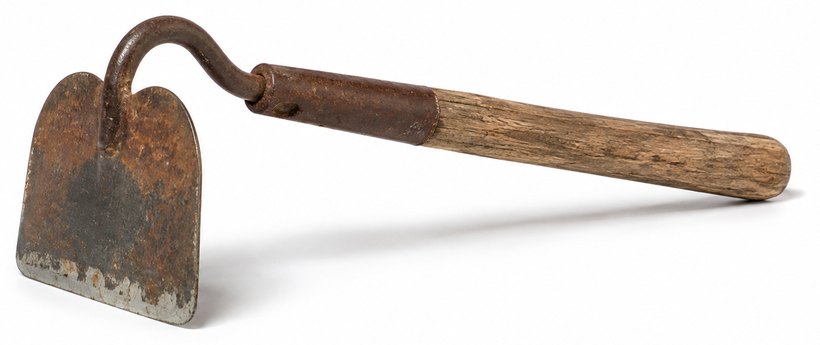
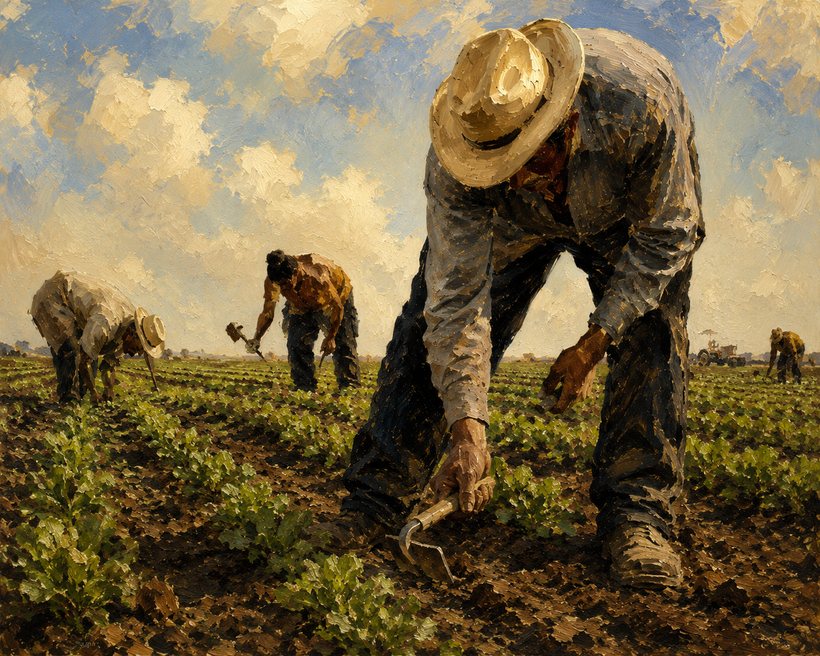
My father told me about the tool his father worked with. A hoe with the handle cut down to about two feet, so a man had to bend at the waist and stay there — all day, close to the ground, where he couldn't damage the crop. Farmworkers called it El Cortito, the short one. Others called it el brazo del diablo — the arm of the devil.
My grandfather used it for decades. So did several of his brothers. By his late fifties his body was finished — his back and his hips were shot. California banned the tool in 1975, after a farmworker rights campaign proved what every man using it already knew.
He gave his body to that work. What nobody ever gave him was the idea that he was becoming something.
A few years ago I was talking with a man who had been at the same company more than twenty years. Mowing and blowing, season after season, loyal to a degree you almost never see anymore. I started explaining how an irrigation controller works and he stopped me — nobody had ever taught him anything like that. Twenty years in, and he said he wished he'd built a real skill somewhere along the way.
That one stayed with me. He hadn't failed at anything. There was a technician in that man the whole time and nobody ever bothered to develop him. And I keep meeting him — men and women who have done decades of hard, skilled work and still call themselves just a laborer. Not a technician building a craft. Not a supervisor in the making. Not someone whose skill was ever worth investing in.
That's the gap this company exists to close, and it doesn't close from the bottom up. It closes when owners decide that developing their people is part of the job — not a program, a calling. Our aim is to help companies become people-centered organizations, starting with the frontline, instead of money-making machines that happen to employ people.
— Ed Perez
YOUR ADVISOR
Someone who's earned trust on both sides of the conversation.
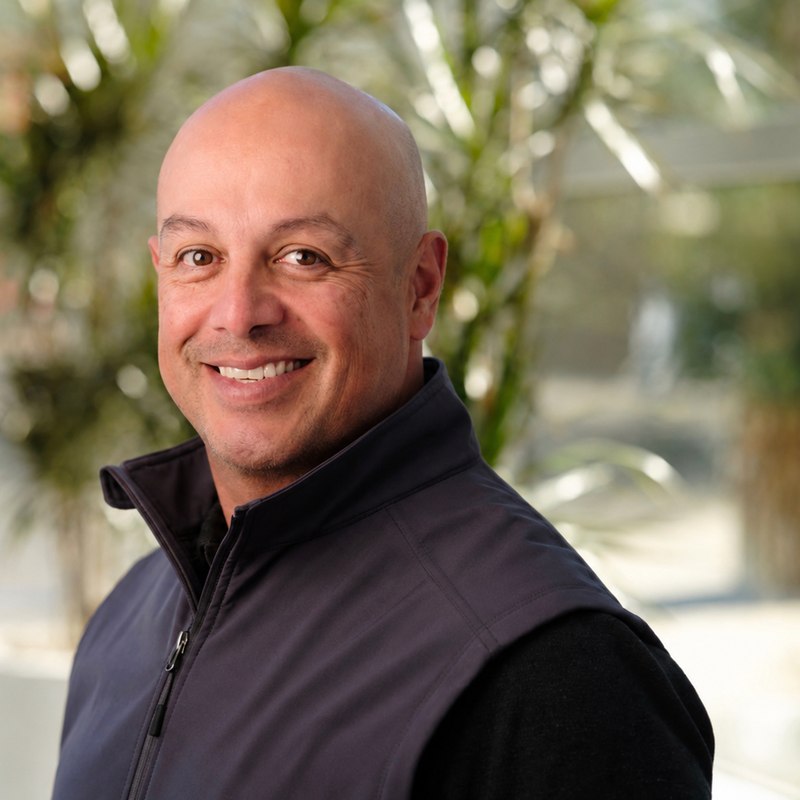
Ed Perez
Frontline Growth Advisor, Un Mañana Mejor
Ed helps contractors and frontline-heavy employers strengthen communication between leadership and their predominantly Hispanic frontline workforce — while developing tomorrow's supervisors and skilled technical professionals from today's crews.
Before founding Un Mañana Mejor, Ed spent two decades in the building materials and construction industry — including leadership roles with national manufacturers, and a term on the Board of Directors for the North State Building Industry Association — plus over a decade partnering directly with contractors, distributors, builders, and manufacturers across the Western United States.
What sets Ed apart is his ability to earn the trust of both business owners and frontline employees. By engaging directly with crews in their preferred language, he helps leadership understand what employees are experiencing while reinforcing the company's mission, vision, and commitment to their future. As he puts it: "We understand Hispanic culture, and we understand business. We bring those two together — and it adds tremendous value to both."
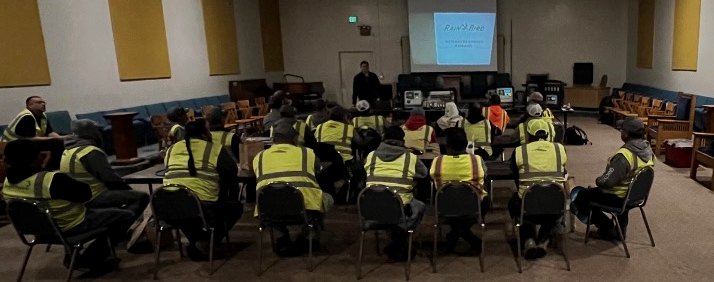
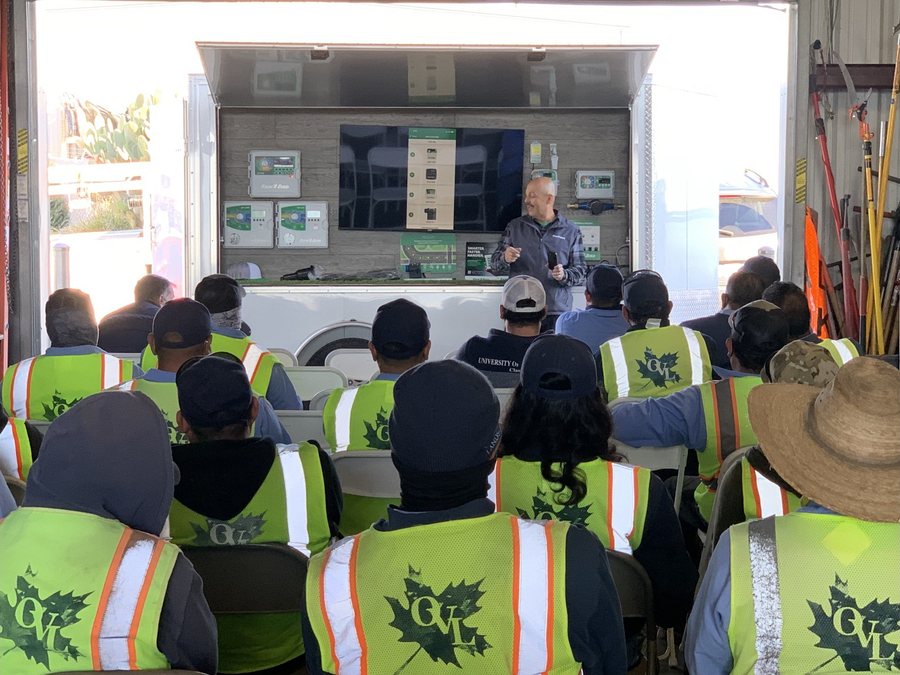
The longer version
"So this gap that I've been talking about…" — the full story, in Ed's own words. 2 min 52 sec.
HOW TO START
Two ways in — both begin with understanding your business first.
Discovery Experience
2-day onsite engagement
A focused entry point for organizations not yet ready for the full partnership. Builds trust, establishes baseline workforce metrics, and captures the voice of your frontline workforce.
- Executive leadership interviews
- Bilingual employee listening sessions & survey
- Un Mañana Mejor™ conversation
- Frontline Workforce Voice Report
- Executive Findings & Recommendations Presentation
Growth Partnership
12-month advisory engagement
Discovery plus a full year of design, launch, and implementation — building a repeatable system for communication, career pathways, and leadership development.
- Everything in Discovery, plus:
- Customized Frontline Workforce Growth Blueprint™
- Leadership alignment & bilingual employee rollout
- Recurring Supervisor-in-Training track
- Bi-weekly leadership touchpoints & quarterly reviews
- 12-month Impact Report
Investment is customized to your organization's size and scope, and shared during your Discovery Call.
GET STARTED
Let's talk about your crew.
A short call is the fastest way to know if this is the right fit — no pressure, no pitch deck.
Prefer email? ed@developthefrontline.com